How Historical Fiction Weaves Past and Present Narratives
Explore the narrative techniques that connect historical events and characters to contemporary themes and experiences.
Historical fiction offers readers a unique window into the past, but the most compelling stories often do more than simply recount historical events. They expertly weave the past and present together, revealing profound connections between bygone eras and our contemporary world. Authors achieve this through various narrative techniques, inviting us to see history not as a distant, static entity, but as a living force that continues to shape human experience.
Dual Timelines and Interwoven Lives
One powerful way authors bridge the gap between past and present is by crafting narratives that explicitly feature characters from different eras, or by showing a modern character deeply engaging with a historical period. This technique allows for a direct dialogue between timeframes, highlighting how historical decisions, societal norms, and individual struggles echo through the centuries.
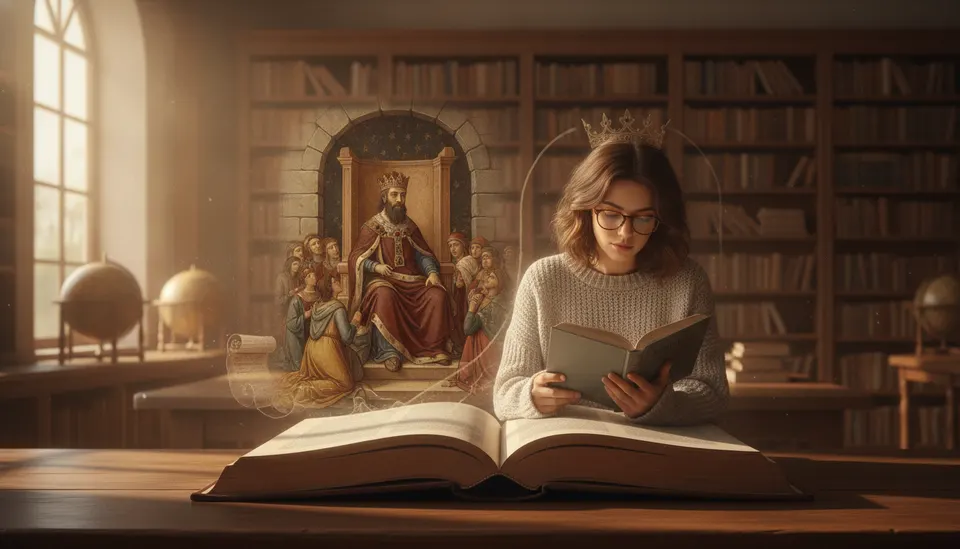
A striking example is Rebecca Perry's May We Feed the King. The novel skillfully "dances between the lives of a historical subject... and a woman who turns to the past to hide from her present." The contemporary curator becomes absorbed in the reign of an almost-forgotten medieval king, blurring the lines between her own reality and the history she studies. This narrative choice not only brings the historical setting vividly to life but also explores universal themes of power, legacy, and self-discovery through the lens of both past and present perspectives.
The Enduring Echoes of History
Even when a novel is set entirely in the past, skilled historical fiction can make that past feel intensely present by exploring how historical events and community dynamics shape the characters' inner lives and decisions. The weight of history, both personal and collective, can profoundly influence the choices made in the narrative's "present" moment.
Claire Keegan's Small Things Like These, set in an Irish town in 1985, masterfully demonstrates this. While not featuring a dual timeline, the protagonist, Bill Furlong, finds himself "confronted by his past and the unspoken complicity of a community heavily influenced by the Church." The historical context of the Magdalen Laundries, though not explicitly an ancient past, is a powerful and recent history that casts a long shadow over the characters' lives, forcing Furlong to reckon with moral dilemmas rooted in his community's recent past. This shows how historical events can create ripples that continue to affect individuals and society decades later, making the past's impact palpably felt in the story's present.
Reimagining Ancient Tales for Modern Audiences
Another captivating method authors use to connect past and present is by reimagining ancient myths and historical figures. By reinterpreting these foundational stories and characters with contemporary sensibilities, writers highlight their timeless relevance and explore universal human experiences that transcend specific eras.
Madeline Miller excels at this, particularly with her critically acclaimed novels like The Song of Achilles. While set entirely in the world of ancient Greek mythology, Miller imbues her characters with psychological depth and explores themes of love, loss, ambition, and fate in a way that feels profoundly modern and relatable. Her nuanced portrayal makes these ancient heroes and their epic struggles resonate with today's readers, demonstrating that the core human condition remains unchanged, regardless of the historical backdrop. This approach breathes new life into old stories, proving that the past continues to offer insights into our present selves.
Ultimately, whether through explicit narrative structures or a deep immersion that reveals history's persistent influence, historical fiction offers a powerful reminder that the past is never truly gone. It remains woven into the fabric of our present, providing context, challenges, and enduring lessons for us all.