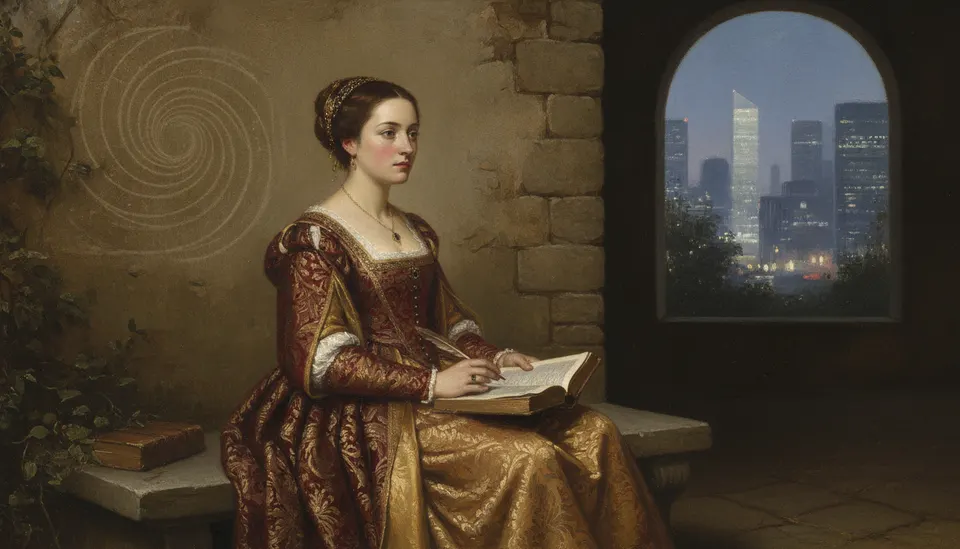
How Historical Fiction Brings Real Lives from the Past to Life
Explore the captivating art of historical fiction, where meticulous research and imaginative storytelling converge to make historical figures feel vividly real.
Historical fiction has a unique power: it doesn't just recount events; it transports us into the very minds and experiences of people who lived centuries ago. But how do authors achieve this remarkable feat, particularly when they delve into the lives of real historical figures?
The magic lies in a delicate balance between rigorous historical research and imaginative storytelling. Authors meticulously study primary sources, historical records, and cultural contexts to understand the world their characters inhabited. Then, they fill in the gaps with compelling narratives, crafting believable motivations, inner thoughts, and emotional journeys that resonate with contemporary readers.
This approach allows us to connect with figures like queens, artists, or common folk, not merely as names in a textbook, but as complex individuals facing universal human challenges such as love, loss, ambition, and survival. It's about finding the human heartbeat within the historical record.
Stepping into the Shoes of History
One of the most acclaimed practitioners of this art is Maggie O'Farrell. Her novels delve deep into the personal lives of historical figures, giving them a voice and an emotional landscape that feels incredibly real. In The Marriage Portrait, O'Farrell reimagines the short, enigmatic life of Lucrezia de' Medici, a sixteen-year-old Duchess of Ferrara in 16th-century Italy. The narrative plunges readers into Lucrezia's sheltered yet perilous world, where her proximity to power places her in mortal danger. O'Farrell masterfully evokes the claustrophobia and beauty of Renaissance court life, making Lucrezia's struggle for survival a deeply personal and gripping experience.
Similarly, O'Farrell's Hamnet brings to life the family of William Shakespeare, focusing on his wife Agnes Hathaway and their son Hamnet. While Shakespeare himself is a towering historical figure, the novel shines a light on the often-overlooked domestic lives and immense grief experienced by those closest to him. It's a poignant exploration of family, loss, and the inspiration behind one of literature's greatest plays.
Reimagining Royal Lives and Ancient Myths
Another author renowned for making history breathe is Philippa Gregory. Her novels often centre on the dramatic lives of English royalty, bringing the Tudor court and its intricate power struggles to vivid reality. In Boleyn Traitor, readers are drawn into the dangerous world surrounding Anne Boleyn, experiencing the period through the eyes of characters intimately connected to her fate. Gregory excels at creating a sense of immediacy and personal stakes within well-known historical events.
Beyond strictly historical figures, some authors breathe new life into legendary characters from ancient myths, grounding them with human emotions and motivations. Madeline Miller's Circe and The Song of Achilles are prime examples. While rooted in mythology, Miller's narratives strip away the divine detachment, presenting figures like the witch Circe and the hero Achilles as deeply flawed, relatable individuals grappling with their destinies, loves, and losses in richly imagined ancient worlds.
Why This Immersion Matters
By focusing on the personal narratives of historical figures, these novels offer more than just a history lesson. They provide a window into the universal human condition, demonstrating that emotions, struggles, and triumphs transcend time. They allow us to empathise with those who came before us, understanding their choices and circumstances in a way that dry facts rarely permit. This ability to connect on a deeply human level is what makes historical fiction about real lives so incredibly compelling and enduring.
To learn more about what makes historical fiction so engaging, you might also be interested in our articles: What Makes Historical Fiction So Compelling? and Why We're Drawn to Reimagined Ancient History in Fiction.