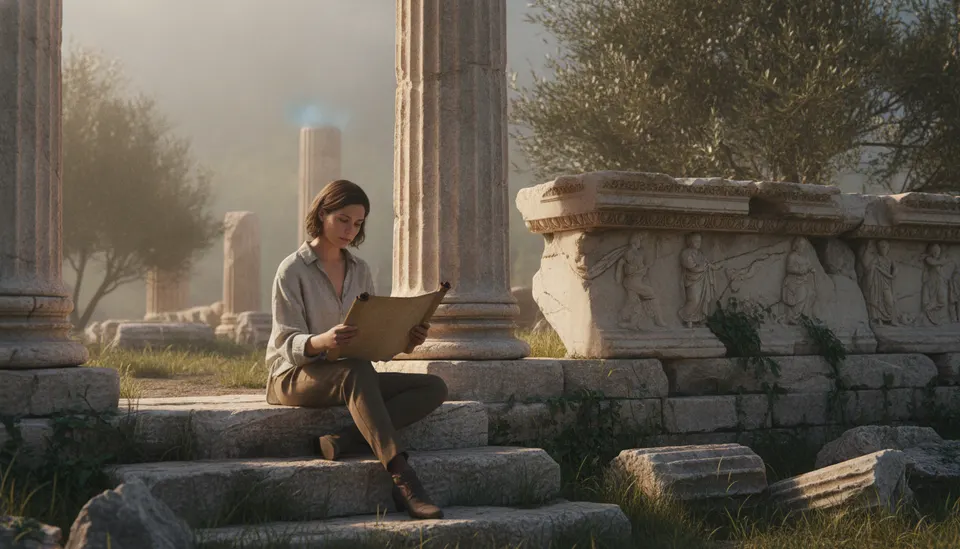
Why Do Ancient Stories Still Captivate Modern Readers?
From Homer's epics to classical philosophy, discover the enduring power of narratives that transcend millennia.
The immediate answer to why ancient stories continue to captivate modern readers lies in their universal themes, profound exploration of the human condition, and their foundational role in Western and global culture. These narratives, often rooted in mythology, history, and philosophy, delve into questions of fate, heroism, morality, love, and loss that remain deeply relevant across millennia.
Ancient literature provides a mirror reflecting fundamental human experiences and dilemmas that transcend time and cultural shifts. Whether it's the epic journey of a hero, the tragic consequences of hubris, or the philosophical quest for wisdom, these stories tap into archetypal patterns that resonate with readers today. They offer insights into the origins of our societal structures, artistic traditions, and even our psychological understanding of ourselves.
Consider the works of Homer, whose epics like the Odyssey and the Iliad have shaped storytelling for thousands of years. These tales of gods, heroes, war, and homecoming explore themes of identity, courage, perseverance, and the struggle against overwhelming odds. While set in a distant past, the emotional depth of characters like Odysseus, Achilles, and Helen of Troy speaks directly to our own experiences and aspirations.
The act of bringing these ancient voices into contemporary language is itself a testament to their enduring power. Crossing the Wine-Dark Sea: Journeys through Ancient Literature by Emily Wilson delves into precisely this, exploring the challenges and rewards of translating ancient stories for modern life. Drawing on her own experience translating Homer, Wilson examines how these classical texts are continually renewed and reimagined, offering fresh perspectives on familiar narratives. Her work highlights how translators act as vital bridges, allowing new generations to engage with the richness and complexity of the ancient world.
Beyond epic poetry, ancient philosophers like Plato and Aristotle continue to influence modern thought on ethics, politics, and logic. Their dialogues and treatises lay the groundwork for many contemporary intellectual debates, demonstrating the ongoing relevance of their inquiries. Similarly, the dramatic tragedies of Aeschylus, Sophocles, and Euripides explore timeless moral quandaries and the interplay of human agency and destiny, offering catharsis and reflection for audiences centuries later.
Ultimately, ancient stories endure because they are more than just historical artifacts; they are living narratives that continue to inform, challenge, and inspire. They invite us to reflect on our shared humanity, offering wisdom and a sense of connection to the vast tapestry of human history.