What Makes Maggie O'Farrell's Historical Fiction So Compelling?
Delve into the unique storytelling approach that transforms historical facts into intimate, emotionally resonant narratives.
Maggie O'Farrell's historical fiction stands out for its remarkable ability to transport readers directly into the past, not just through meticulously researched settings, but through the deeply intimate and emotionally resonant experiences of her characters. She possesses a unique talent for taking figures from history, particularly women, and breathing vibrant, relatable life into them, making their struggles and triumphs feel profoundly immediate and human.
One of the most compelling aspects of O'Farrell's work is her immersive storytelling. She doesn't just recount historical events; she allows readers to live within the minds and hearts of her protagonists. Her narratives are rich with sensory details and psychological insight, drawing you into the intricate social dynamics and personal stakes of bygone eras. This approach transforms historical facts into a vivid, lived experience, illustrating what makes historical fiction so compelling in the first place.
Her skill is particularly evident in how she reimagines the lives of historical women, often those whose stories have been overshadowed or simplified by history. She delves into their inner worlds, their ambitions, fears, and the complex choices they faced, making their experiences resonate powerfully with contemporary readers. This gives her historical novels a universal appeal, exploring themes of love, loss, survival, and identity that transcend time. It's a prime example of how historical fiction resonates with modern readers.
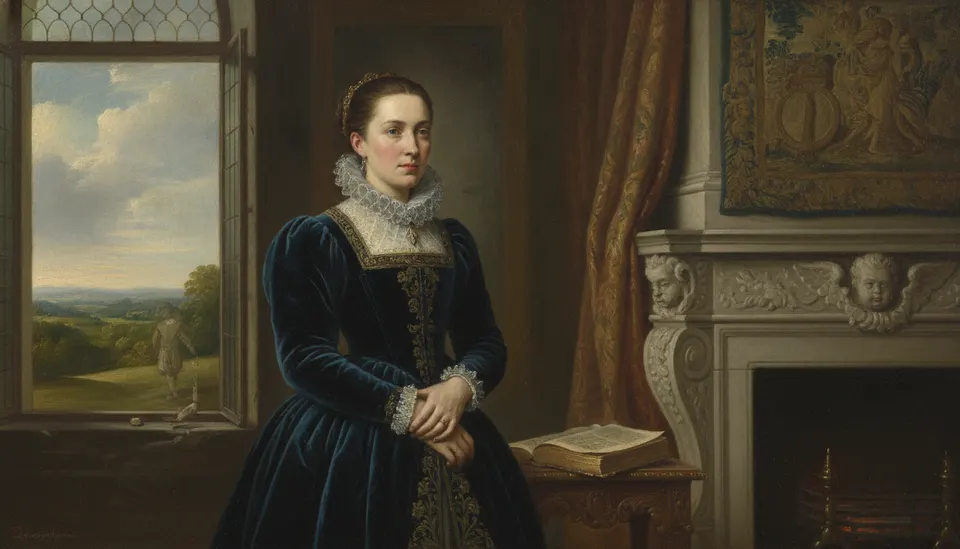
Consider her critically acclaimed novel, The Marriage Portrait. Set in 16th-century Italy, it plunges into the precarious life of Lucrezia de' Medici, Duchess of Ferrara. O'Farrell masterfully reconstructs Lucrezia's sheltered existence within the Florentine palazzo and her sudden, terrifying realisation that her husband, Alfonso, intends to kill her. The novel focuses intensely on Lucrezia's internal struggle for survival, showcasing O'Farrell's ability to craft a gripping narrative from a historical footnote, highlighting the vulnerability and resilience of a young woman caught in the web of power and expectation.
Similarly, in Hamnet, O'Farrell tells the story of William Shakespeare's family, focusing on his wife, Agnes Hathaway (Anne in historical records). This novel explores the profound grief and love within a family touched by tragedy. O'Farrell brings Agnes to life as a woman of deep intuition and connection to the natural world, offering a deeply emotional and human perspective on a period often dominated by masculine narratives and grand historical events. It is a testament to O'Farrell's craft that she can take a story with a known outcome and make every moment feel fresh, poignant, and utterly captivating, demonstrating how historical fiction authors revive forgotten eras.
Maggie O'Farrell's historical fiction is compelling because she makes the past feel intensely personal and alive. She invites readers to not just observe history, but to feel it, through the eyes of characters whose struggles and inner lives are portrayed with profound empathy and exquisite detail. For readers who appreciate historical accuracy blended with rich emotional narratives, her novels offer a truly unforgettable reading experience.