What Makes a Children's Adventure Story Unforgettable?
Explore the essential ingredients that make children's adventure stories so captivating and inspiring.
Children's adventure stories hold a special place in literature, sparking imagination, fostering bravery, and introducing young readers to the thrill of discovery. What truly makes an adventure story unforgettable, however, goes beyond just a journey; it lies in a blend of compelling characters, gripping challenges, and immersive worlds that resonate long after the final page.
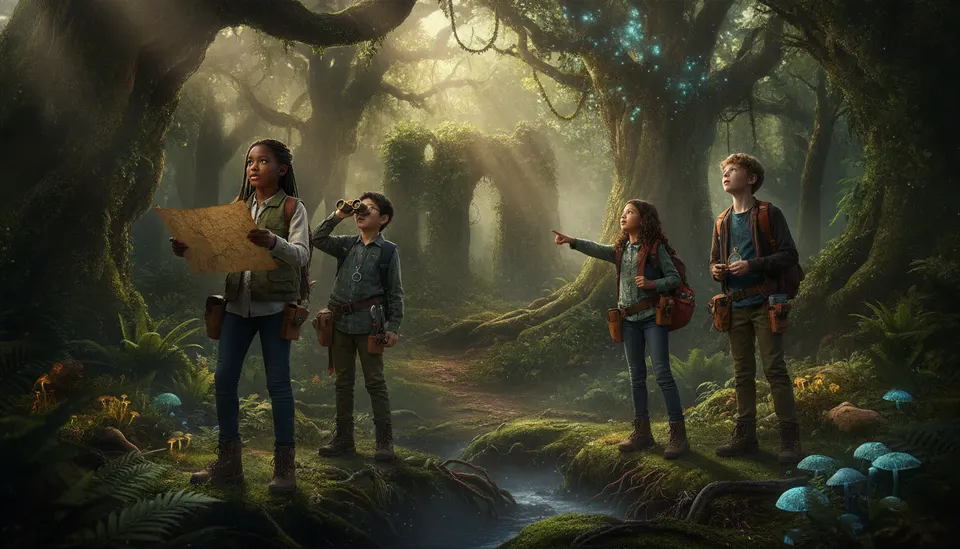
At its heart, a great children's adventure features relatable protagonists who, despite their fears or initial doubts, rise to meet extraordinary challenges. These characters often embark on a clear quest or mission, whether it's to find a hidden treasure, solve a mystery, or protect something precious. The journey itself is usually set in exciting, often fantastical, locations that encourage readers to dream big and explore new possibilities.
The Elements of a Classic Children's Adventure
An unforgettable adventure story for young readers typically weaves together several crucial elements:
- Courageous Protagonists: Children who, despite being ordinary, find extraordinary strength within themselves.
- A Defining Quest: A clear goal or mystery that drives the narrative forward and provides a sense of purpose.
- Immersive Settings: From enchanted forests to bustling cities, the backdrop is often as important as the characters.
- Formidable Obstacles: Challenges that test the characters' resolve and ingenuity, requiring them to think critically and work together.
- Themes of Friendship and Discovery: The journey often strengthens bonds and leads to profound self-realisation.
Consider The Children of Wolf Rock by Natasha Farrant. In this story, Minna, Kass, and Tom find refuge at Stormy Loch Academy, a place that encourages appreciation for the natural world. Their peaceful explorations turn perilous when an older ex-student, Addie, disappears, forcing them on a dangerous journey to London to uncover the truth. This narrative perfectly encapsulates the idea of ordinary children undertaking an extraordinary quest, driven by loyalty and a desire for justice.
Another excellent example of adventure is Katherine Rundell’s Impossible Creatures. This tale invites readers into a richly imagined world filled with mythical beings and a grand quest to protect them. It's a testament to the power of imagination and the courage required to safeguard the magical elements of our world, making it a truly immersive experience for young adventurers.
For a different kind of adventure, Dav Pilkey's Dog Man series offers humorous, fast-paced escapades. While light-hearted, these graphic novels still centre on a hero and his friends facing villains and solving problems, proving that adventure can come in many forms and cater to a wide range of younger readers. The focus here is on creative problem-solving and the joy of overcoming silly, yet serious, threats.
Finally, Suzanne Collins’s The Hunger Games, while geared towards older children and teenagers, is a quintessential adventure that explores themes of survival, rebellion, and moral choice in a dystopian setting. It's an intense journey that pushes its protagonist, Katniss Everdeen, to her limits, highlighting courage and resilience against overwhelming odds.
Ultimately, an unforgettable children's adventure story is one that transports its reader, inspires them to be brave, and teaches them about the world and themselves through exciting, challenging experiences. Whether it's a mystery in London or a fantastical quest, these stories leave a lasting impression and encourage a lifelong love of reading and discovery.
For more insights into engaging young minds with literature, you might also be interested in What Makes Graphic Novels Great for Young Readers?