How a Single Place Can Unfold a Nation's History in Non-Fiction
Explore the unique narrative power of non-fiction that uses a single location as a window into a country's past and present.
Sometimes, to truly understand the vast and intricate history of a nation, it helps to narrow the focus. Instead of sweeping narratives, some of the most insightful non-fiction books choose a single, emblematic place or object as their central character. Through this concentrated lens, authors can explore profound historical, social, and cultural shifts, making complex geopolitical events feel intimately human and accessible.
This narrative approach offers a unique perspective. A building, a street, or even a particular object can absorb the echoes of generations, bearing witness to both monumental events and the everyday lives of people. By tracing its existence, from its inception through periods of prosperity, conflict, and change, an author can reveal the broader forces that have shaped a society, all while maintaining a relatable, tangible anchor for the reader.
A Hotel as a Mirror: Afghanistan's Journey
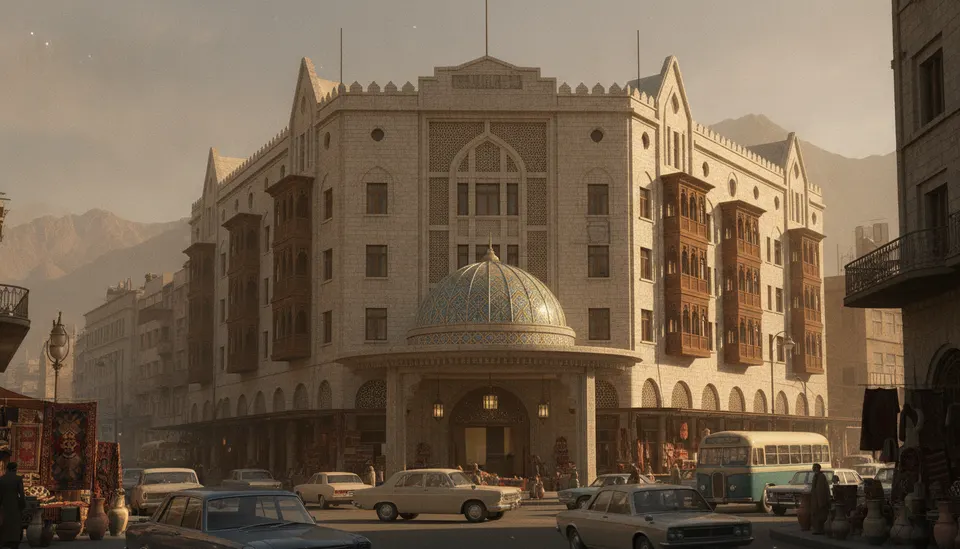
A prime example of this powerful storytelling technique is Lyse Doucet's The Finest Hotel in Kabul: A People’s History of Afghanistan. This compelling work uses the Hotel Inter-Continental Kabul as its focal point to tell the turbulent history of modern Afghanistan. Opened in 1969, the hotel was initially a beacon of modernity and aspiration for the nation.
Doucet, who first stayed at the hotel in 1988, has observed many significant historical moments unfold from within its walls. Her narrative goes beyond mere historical recounting, delving into the personal experiences of the Afghans who tirelessly kept the hotel running through decades of upheaval. Readers meet characters like Hazrat, a housekeeper from the hotel's glamorous beginnings in the 1970s; Abida, the first female chef after 2001; and Malalai and Sadeq, who lived through two decades of democracy before the return of the Taliban in 2021.
Through these individual stories, woven into the life of the hotel, Doucet masterfully illustrates how a single location can embody a nation's hopes, struggles, and resilience. It allows readers to grasp the human impact of large-scale historical events, offering a deeply personal and resonant understanding of Afghanistan's complex journey.