How Historical Novels Uncover the Lives and Challenges of Women in History
Delve into novels that illuminate the challenges and triumphs of female protagonists across various historical periods.
Bringing Female Voices to the Forefront
Historical fiction offers a unique window into the past, allowing us to not only witness grand events but also to intimately understand the lives of individuals who lived through them. Among the most compelling narratives are those that focus on women, often shining a light on their struggles, resilience, and quiet triumphs within societies that frequently limited their agency and opportunities. These novels transport readers to different eras, exploring how women navigated complex social structures, political intrigues, and personal challenges, often against formidable odds.
From the opulent courts of the Renaissance to the battlefields of ancient Greece, authors use meticulous research and imaginative storytelling to give voice to women whose stories might otherwise remain untold or relegated to footnotes. They explore themes of survival, love, ambition, and the search for identity, making the past feel vibrant and relevant to contemporary readers.
Navigating Power and Peril in Renaissance Italy
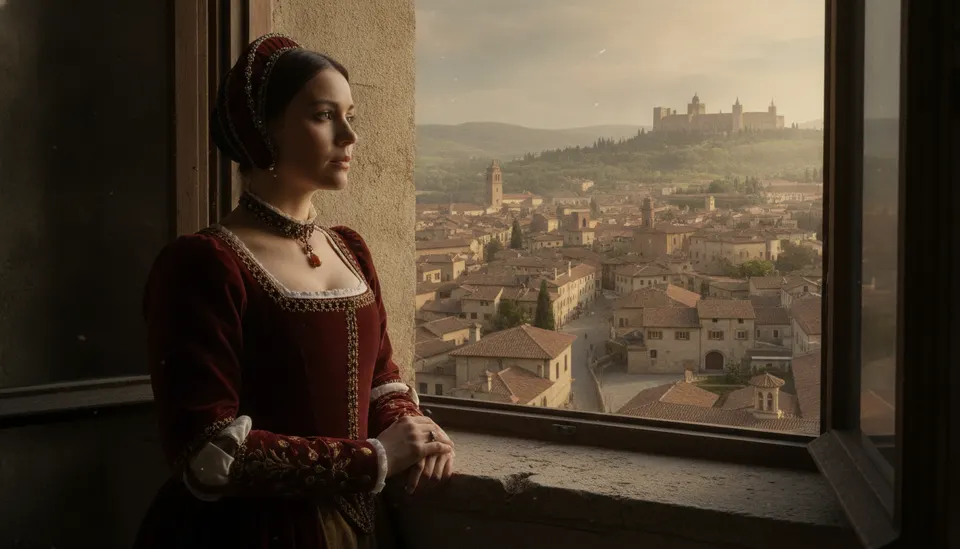
One powerful example of historical fiction exploring a woman's precarious position in a powerful society is Maggie O'Farrell's The Marriage Portrait. Set in 1561 Italy, the novel tells the story of sixteen-year-old Lucrezia, Duchess of Ferrara, who quickly realises her husband, Alfonso, may intend to murder her. O'Farrell masterfully recreates the atmosphere of a privileged but dangerous world, where a young woman's life could be entirely at the mercy of her husband's whims and political ambitions. The book delves deep into Lucrezia's inner world, her fears, and her determination to survive.
O'Farrell also explores the emotional landscape of women in historical settings through Hamnet, which reimagines the life of Agnes Hathaway, William Shakespeare's wife. While not a tale of political intrigue, it offers a poignant and deeply human portrayal of a woman's grief and resilience in 16th-century England, highlighting the personal struggles often hidden behind historical figures.
Reimagining Ancient Lives
The ancient world, with its rich mythology and dramatic history, provides fertile ground for stories of powerful women. Madeline Miller's Circe reimagines the mythological sorceress, transforming her from a villainous figure into a complex, sympathetic protagonist. Miller delves into Circe's exile and her journey of self-discovery, showing how she forged her own identity and power in a world dominated by gods and men. This novel offers a fresh, feminist perspective on classical tales, making ancient stories resonate anew.
Similarly, Natalie Haynes excels at bringing forgotten or marginalised female voices from classical antiquity to life. In No Friend to This House, Haynes retells the story of Clytemnestra, exploring her motivations and experiences with empathy and psychological depth, challenging traditional portrayals and revealing the complexities of her choices within the patriarchal society of ancient Greece.
Women in Tumultuous Eras
Other historical novels explore women's roles during periods of significant societal upheaval. Philippa Gregory, known for her intricate historical narratives, often focuses on the women of the Tudor court. Her novel Boleyn Traitor plunges readers into the dangerous political landscape surrounding Anne Boleyn, showing how women navigated loyalty, ambition, and survival amidst shifting power dynamics and religious turmoil.
Even in more recent history, the experiences of women can be overlooked. Kristin Hannah's The Women, set during the Vietnam War, tells the story of female nurses who served on the front lines. The novel highlights their bravery, the trauma they endured, and their fight for recognition upon returning home, shedding light on a vital yet often understated aspect of that conflict.
These novels, whether set in ancient times or more recent history, remind us that women have always played crucial, complex roles in shaping the past. By focusing on their individual journeys, historical fiction offers a richer, more nuanced understanding of history itself.