How Historical Novels Explore Personal Agency Against Societal Expectations
Delve into fiction that brings to life the compelling battles of individuals navigating the powerful customs and constraints of the past.
Historical novels do more than just transport us to different eras; they often serve as powerful explorations of the human spirit grappling with the unyielding forces of history and society. At their heart, many of these stories delve into the tension between an individual's will and the societal expectations, political pressures, or cultural norms of their time. They show us characters who, despite immense constraints, strive for agency, make difficult choices, and sometimes, against all odds, carve out their own path.
This genre excels at illustrating how personal desires, ambitions, and moral compasses clash with the rigid frameworks of the past. Whether it's a woman challenging patriarchal structures, an artist defying convention, or an ordinary person demonstrating extraordinary courage in the face of injustice, historical fiction allows us to witness these intimate struggles against a grand, meticulously researched backdrop.
Stories of Survival and Self-Determination
One compelling way historical fiction explores individual agency is through narratives of survival in oppressive environments. These often highlight characters who must navigate dangerous social landscapes, where a single misstep can have dire consequences.
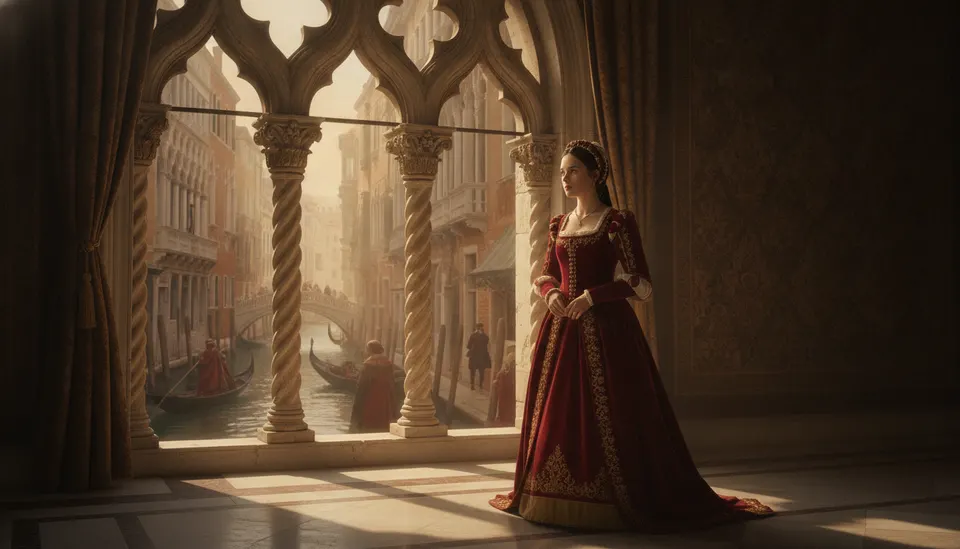
Maggie O'Farrell's The Marriage Portrait offers a vivid example. Set in Renaissance Italy, the novel reimagines the life of Lucrezia, Duchess of Ferrara, who, at just sixteen, finds herself in a precarious marriage. The story plunges us into her internal world as she realises her husband, Alfonso, may intend to kill her. Lucrezia's struggle is not just for physical survival but for maintaining her sense of self and agency in a world where her life is dictated by powerful men and dynastic politics. O'Farrell masterfully portrays the psychological tension of a young woman confronting mortal danger and seeking to defy a fate seemingly sealed by her proximity to power. For more on O'Farrell's distinctive style, you might be interested in What Makes Maggie O'Farrell's Historical Fiction So Compelling?
Navigating Grief and Creative Freedom
Beyond immediate threats, societal expectations can also constrain personal expression and the processing of profound emotions. Historical novels frequently explore how individuals find agency through their inner lives and creative acts, even when outward freedom is limited.
Another of Maggie O'Farrell's acclaimed works, Hamnet, beautifully illustrates this. It tells the story of Agnes Hathaway, Shakespeare's wife, and the devastating loss of their son, Hamnet, during the Elizabethan era. While the historical context places significant limitations on women's roles and public expression, Agnes finds agency in her unique connection to the natural world and her fierce love. The novel delves into her deep grief and her intuitive, almost wild, spirit that resists the prescribed roles for women of her time, offering a powerful exploration of how personal tragedy can be navigated with an unconventional strength of will. This ties into broader discussions of how historical novels uncover the lives and challenges of women in history.
Moral Courage in Restrictive Communities
Individual agency isn't always about grand rebellion; sometimes it's found in quiet acts of moral courage within seemingly ordinary lives. Historical fiction can highlight how deeply ingrained societal norms can be, and how challenging it is to stand apart.
Claire Keegan's Small Things Like These, set in 1985 Ireland, provides a poignant example. The story follows Bill Furlong, a coal merchant, during the Christmas season. As he goes about his deliveries, he uncovers disturbing truths about the local convent and its Magdalene Laundry. In a deeply conservative community where silence and complicity are expected, Bill faces a profound moral dilemma. His struggle is to reconcile his conscience with the prevailing societal pressure to look the other way. Keegan portrays the quiet but immense courage required to act on one's convictions when the entire social fabric encourages conformity, demonstrating a powerful form of individual agency against deeply entrenched institutional and communal expectations.
These novels, whether set in Renaissance Italy, Elizabethan England, or 20th-century Ireland, remind us that the human desire for self-determination and moral integrity transcends time. They invite us to reflect on how we, too, navigate the expectations and constraints of our own societies, and what it truly means to exercise personal agency.