What Historical Fiction Reveals About Our Recent Past and Societal Secrets
Discover how authors use the recent past to illuminate hidden truths and moral complexities in compelling narratives.
When we think of historical fiction, our minds often jump to grand narratives of ancient empires, medieval knights, or Victorian drawing rooms. However, the genre is far broader, often venturing into the more recent past to unearth uncomfortable truths and societal secrets that continue to resonate today. This particular vein of historical fiction is compelling precisely because its settings are closer to living memory, allowing for a deeper exploration of how past actions and systemic silences ripple through generations.
This kind of storytelling isn't just about recounting events; it's about dissecting the moral fabric of a society and the individual choices made within it. Authors use the relatively recent past—often the 20th century—to examine periods of significant social change, hidden injustices, or collective complicity. These narratives can feel particularly poignant, as the echoes of these stories are often still felt in contemporary society, prompting readers to reflect on their own understanding of history and morality.
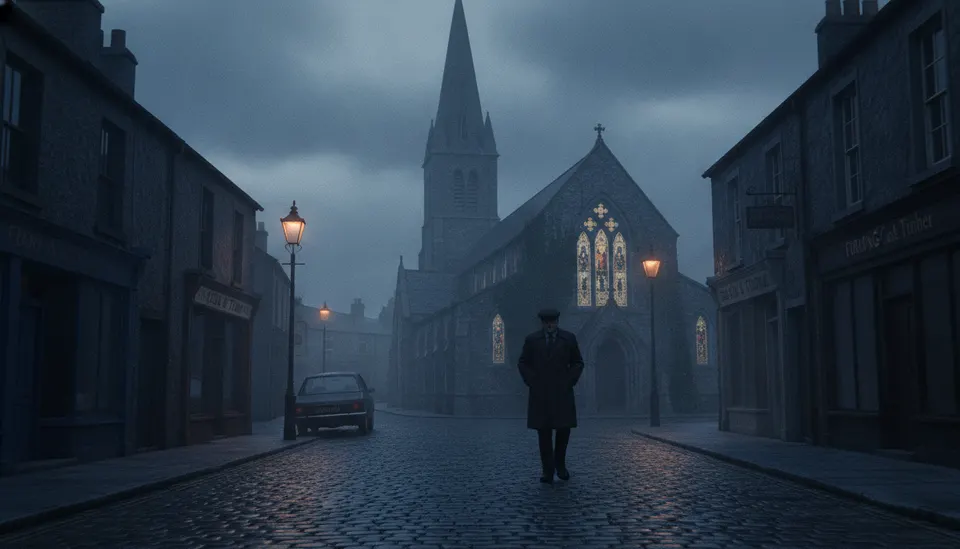
A powerful example of this is Claire Keegan's acclaimed novel, Small Things Like These. Set in an Irish town in 1985, the story follows coal and timber merchant Bill Furlong during the busy Christmas season. As he goes about his work, Bill is confronted by his own past and the unspoken complicity of a community deeply entrenched in the influence of the Church. Keegan masterfully explores the profound moral dilemmas Bill faces as he navigates the pervasive silences and hidden truths within his society, particularly those related to the Magdalene Laundries. The novel’s concise yet impactful narrative reveals how ordinary people grapple with extraordinary circumstances and the weight of collective conscience.
Keegan’s work exemplifies how historical fiction can be both intimate and expansive, using a specific time and place to illuminate universal themes of morality, silence, and the courage it takes to confront injustice. By setting the story in the relatively recent past, the novel invites readers to consider how institutional power can shape individual lives and how long it can take for societal wounds to begin to heal.
This approach to historical fiction offers a unique lens through which to view history, moving beyond grand sweeping events to focus on the personal and communal impact of particular eras. It reminds us that history is not just a distant echo, but a living force that continues to shape our present and our understanding of ourselves. For more on the enduring appeal of this genre, you might enjoy reading What Makes Historical Fiction So Compelling? or exploring How Do Authors Make Historical Fiction Resonate with Contemporary Readers?