What Makes Elif Shafak's Novels Unique in Blending History, Nature, and Human Stories?
Explore how this acclaimed author weaves together history, personal narratives, and the symbolic presence of nature in her compelling novels.
Elif Shafak is celebrated for her distinctive literary voice, one that effortlessly bridges different cultures, historical periods, and deeply personal human experiences. Her novels often explore themes of identity, memory, and belonging, frequently anchoring these grand narratives within the intimate details of individual lives. A key aspect of her captivating storytelling is how she integrates the natural world, allowing elements like trees or landscapes to become silent witnesses and symbolic characters in their own right, connecting past and present.
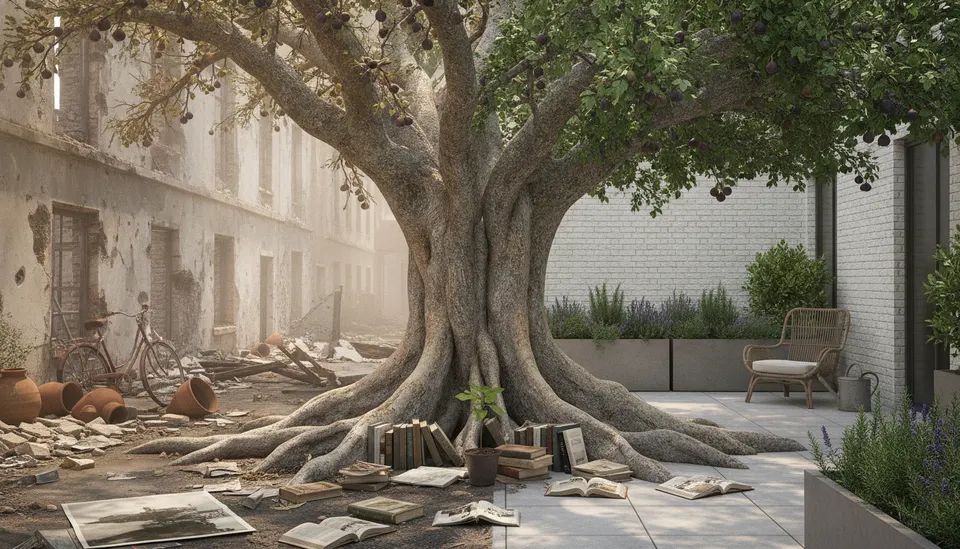
A remarkable example of Shafak's ability to intertwine these elements is her novel, The Island of Missing Trees. This powerful story begins in the summer of 1974 in a divided Cyprus, where two teenagers, Kostas, who is Greek, and Defne, who is Turkish, fall in love amidst burgeoning conflict. Their secret meetings take place in a tavern, beneath the watchful branches of a fig tree. This tree isn't merely a backdrop; it becomes a central figure, narrating parts of the story and witnessing the unfolding tragedy and the lovers' eventual disappearance.
The narrative then shifts decades later to North London, where sixteen-year-old Ada, the daughter of Kostas and Defne, grapples with her family's unspoken past. Her only tangible link to her parents' homeland is a fig tree growing in her garden, a direct descendant of the one in Cyprus. Through this arboreal connection, Shafak expertly explores how historical conflicts and personal traumas leave an indelible mark across generations. The fig tree symbolises resilience, memory, and the enduring roots that tie individuals to their heritage, even when separated by distance and silence.
Shafak’s work consistently delves into the profound impact of historical events on personal lives, highlighting the struggles for identity and the search for peace in a fractured world. She illuminates how individual stories are inextricably linked to broader geopolitical narratives, offering a rich tapestry of human emotion and societal complexities. Her writing invites readers to reflect on themes of displacement, cultural identity, and the quiet heroism found in everyday survival.
By blending historical settings, intricate personal dramas, and the profound symbolism of nature, Elif Shafak creates novels that are both intellectually stimulating and deeply moving. Her stories resonate because they speak to universal human experiences, reminding us of the interconnectedness of life, history, and the natural world.