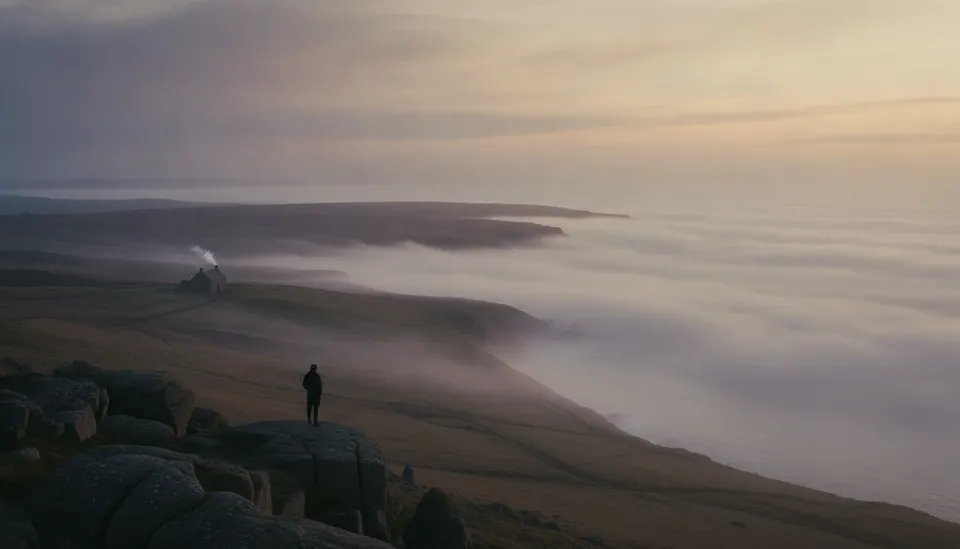
How Contemporary Novels Uncover the Profound Influence of Nature and Landscape
Discover how authors craft stories where the environment is more than just a setting, shaping characters, destinies, and our understanding of place.
In contemporary fiction, the natural world is rarely just a pretty backdrop. Instead, authors often imbue landscapes, weather, and ecosystems with a profound significance, making them active forces that shape characters, influence destinies, and mirror inner lives. These novels delve into the intricate, often spiritual, connection between humanity and its environment, exploring how our surroundings define us, challenge us, and offer pathways to understanding.
Nature as a Shaping Force and Character in its Own Right
Many contemporary writers move beyond simply setting a story in a beautiful or wild place. They explore how the very essence of a landscape—its history, its temperament, its enduring presence—can act almost as a character itself. This approach highlights the deep reciprocity between humans and nature, where one cannot truly be understood without the other.
A compelling example of this is Helm by Sarah Hall. This novel personifies a "ferocious, mischievous wind" that has shaped the Eden Valley for millennia. The story of this wind is told through the lives of those it has touched across different eras: from a Neolithic tribe to a Dark Age wizard priest, a Victorian engineer, and a farmer's daughter who falls in love with it. Ultimately, a modern scientist fears its demise. This narrative structure brilliantly illustrates how a specific natural phenomenon can profoundly influence human societies, beliefs, and individual experiences over vast stretches of time, becoming an elemental character woven into the fabric of history.
Exploring Identity and Belonging Through the Environment
The landscapes in these novels often serve as a canvas for exploring themes of identity, belonging, and displacement. Characters may find their sense of self inextricably linked to a particular place, or they may grapple with the loss or transformation of that environment. The natural world can offer solace, challenge, or a mirror reflecting their deepest fears and desires.
While specific plot details for all books are not always available, titles like The Island of Missing Trees by Elif Shafak strongly suggest a narrative deeply rooted in the relationship between people and a specific natural setting. Shafak is known for weaving rich tapestries of culture, history, and identity, and a title like this points towards a profound exploration of how the environment contributes to these themes, perhaps through memory, heritage, or the resilience of nature itself.
The Enduring Impact of Place on Human Lives
The influence of the natural world extends beyond individual characters to communities and broader societal narratives. Environmental changes, whether gradual or sudden, can trigger profound shifts in human relationships and cultural practices. Authors use these dynamics to reflect on our responsibilities towards the planet and the consequences of our actions.
Another powerful voice in this space is Barbara Kingsolver, whose novel Demon Copperhead, while a contemporary retelling of a classic, is deeply embedded in the Appalachian landscape. Kingsolver consistently explores how the land shapes the lives, struggles, and resilience of its inhabitants, making the physical environment an inescapable part of their identity and story. These stories remind us that our personal narratives are often inseparable from the ground beneath our feet and the skies above us.
Contemporary fiction that embraces the natural world as a central theme invites readers to reflect on their own connection to the environment and the profound ways in which it informs the human experience. Whether it's the ancient spirit of a wind or the silent witness of an island, these narratives highlight nature's enduring power to shape our lives. For more on how settings and experiences shape characters, you might also be interested in our article How Journeys in Contemporary Fiction Shape Characters and Relationships.