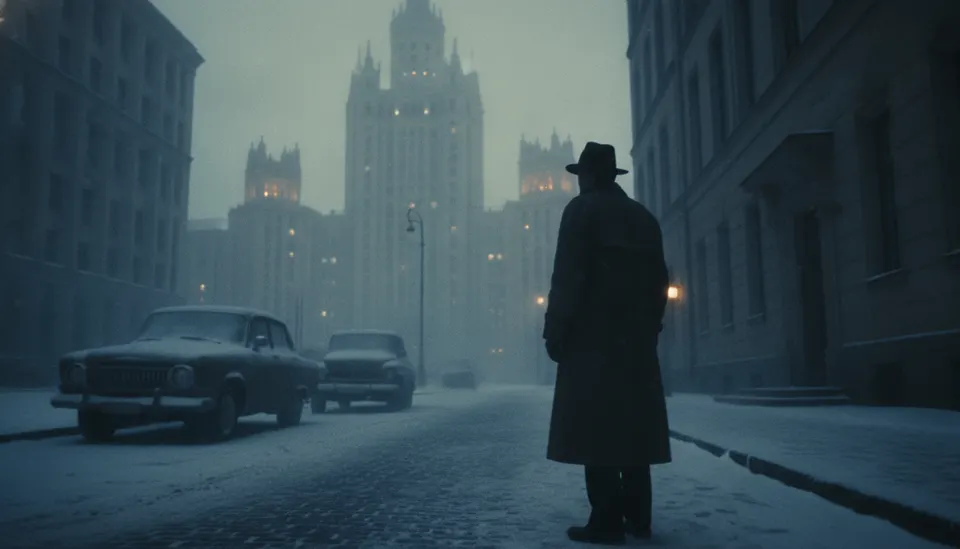
What Defines a Cold War Espionage Thriller and Why Do They Endure?
Explore what makes these tales of spies and secrets so captivating, from geopolitical tension to profound psychological depth.
The Cold War, a period of intense geopolitical tension between the Eastern and Western blocs from the mid-20th century to the early 1990s, provided a fertile ground for some of the most enduring and complex thrillers in literature. Cold War espionage thrillers are more than just spy stories; they are intricate explorations of ideology, loyalty, betrayal, and the human cost of global conflict.
The Defining Elements of the Cold War Espionage Thriller
What truly sets this genre apart is its unique blend of historical realism and psychological depth. Authors in this field often delve into the moral ambiguities faced by agents operating in a world where the lines between good and evil are constantly blurred. The stakes are always incredibly high, often involving the fate of nations, yet the focus remains keenly on the individual agents and their internal struggles.
A Backdrop of Geopolitical Tension
The historical context of the Cold War is central to these narratives. Readers are drawn into a world of covert operations, double agents, and a constant, simmering threat of nuclear war. The cities of Berlin, Moscow, and London often serve as atmospheric settings, each street corner potentially hiding a secret rendezvous or a deadly trap. This backdrop isn't merely scenery; it's an active participant in the story, shaping characters' choices and the unfolding drama.
Moral Ambiguity and Psychological Depth
Unlike more straightforward action thrillers, Cold War espionage often thrives on moral complexity. Protagonists are rarely clear-cut heroes, and antagonists are seldom purely villainous. Instead, characters are often caught in a web of conflicting loyalties and forced to make impossible choices. This focus on the inner lives of spies, their doubts, fears, and the toll their work takes on their psyche, is a hallmark of the genre. For a deeper look into this aspect, you might find our article What Makes Moral Ambiguity So Compelling in Espionage Thrillers? particularly insightful.
Authenticity and Realism
Many authors draw heavily on real-world intelligence operations and historical events, lending an air of authenticity that enhances the tension. This commitment to realism, whether in depicting the tradecraft of espionage or the bureaucratic labyrinths of intelligence agencies, allows readers to feel truly immersed in the period. While some modern thrillers lean into high-tech gadgets and rapid-fire action, Cold War stories often feature a more grounded, cerebral approach to spying. If you're curious about how modern thrillers differ, consider reading What Defines a Modern Espionage Thriller?
William Boyd's Contribution to the Genre
Among the authors who masterfully capture the essence of the Cold War, William Boyd stands out with his sophisticated and atmospheric thrillers. His work often combines historical detail with compelling character studies, making his stories feel both authentic and deeply human.
A prime example is Boyd's novel, Cold Sunset. This stylish mystery plunges readers into the shadow-drenched world of Cold War Moscow. It follows Gabriel Dax, a travel writer and reluctant spy, as he becomes entangled in a dangerous mission involving a mysterious drawing and a celebrated defector. The narrative masterfully explores themes of blurred loyalties and dark motives, where every decision could be fatal. It's a gripping read for anyone who appreciates a story where trust is fragile and deception is an art form. This book is the third in a thrilling series featuring Gabriel Dax, an accidental hero navigating the treacherous waters of international espionage.
Another notable title in the Gabriel Dax series by William Boyd is The Predicament. While specific plot details vary, it continues to showcase Boyd's talent for crafting immersive espionage narratives that explore the complexities of the Cold War era and its impact on individuals caught within its grand machinations. His ability to weave together historical fiction with the taut suspense of a spy thriller makes his work a compelling choice for fans of the genre. You can learn more about the broader appeal of historical fiction in our article What Makes Historical Fiction So Compelling?
The Enduring Appeal
Cold War espionage thrillers continue to captivate readers because they tap into universal themes: the struggle for power, the nature of truth, and the resilience of the human spirit under immense pressure. They offer a window into a pivotal historical period, combined with the timeless appeal of a well-crafted mystery and the moral weight of profound personal choices.