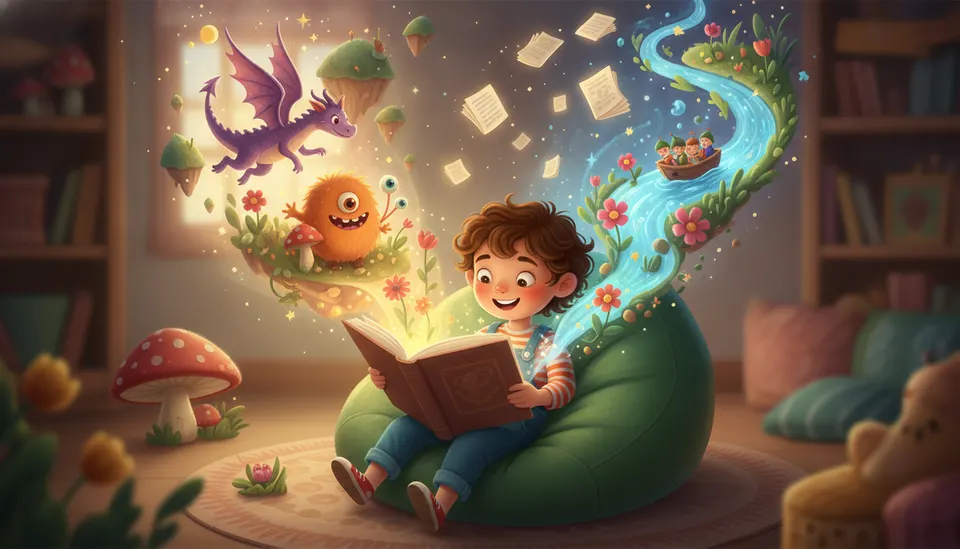
What Makes a Picture Book Truly Captivating for Young Readers?
Delve into the essential elements that make picture books unforgettable and instrumental in a child's early literary journey.
More Than Just Pictures: The Core Elements of Captivating Picture Books
Picture books are often a child's first gateway into the wonderful world of literature. But what exactly transforms a simple story with illustrations into a truly captivating experience that children return to again and again? It's a delicate balance of engaging visuals, accessible storytelling, and often, an element of interaction or emotional resonance.
At their heart, the most beloved picture books excel in four key areas: stunning illustrations, simple yet profound narratives, opportunities for interaction, and an underlying emotional connection.
Vibrant Illustrations That Tell a Story
For young readers, the pictures aren't just an accompaniment to the text; they often carry the bulk of the story. Illustrations need to be expressive, clear, and visually appealing to hold a child's attention and help them understand the narrative even before they can read the words themselves. The art style can range from richly detailed to beautifully minimalist, but its effectiveness lies in its ability to convey character emotion, setting, and plot progression.
A prime example is The Very Hungry Caterpillar by Eric Carle. Carle's distinctive collage illustrations are instantly recognisable and deeply engaging. The vibrant colours and clear depiction of the caterpillar's journey, from tiny egg to beautiful butterfly, are central to the book's enduring appeal. The illustrations not only show what is happening but also invite children to observe details and anticipate what comes next.
Simple, Engaging Narratives with Repetition
The best picture books master the art of concise storytelling. They often feature straightforward plots, memorable characters, and language that is easy for young ears to follow and for developing minds to grasp. Repetition is a common and highly effective tool, providing comfort and predictability while aiding language acquisition.
Julia Donaldson is a master of this, and her work often features rhythmic text and memorable refrains. In The Gruffalo, for instance, the clever mouse's repeated descriptions of the Gruffalo build suspense and humour, making the story delightful to read aloud and easy for children to join in. Similarly, the repetitive eating schedule of Carle's caterpillar helps children grasp the concept of days of the week and counting.
Interactive Elements That Draw Children In
Some picture books go a step further by incorporating interactive elements that encourage physical engagement. These can include lift-the-flaps, cut-outs, textured pages, or even simple prompts within the story that ask children to participate. This hands-on approach transforms reading from a passive activity into an active exploration, enhancing comprehension and enjoyment.
Once again, The Very Hungry Caterpillar stands out with its clever die-cut holes that show the caterpillar literally eating through the pages. This tactile experience is a huge part of its charm, allowing children to physically trace the caterpillar's journey and feel more connected to the story.
Emotional Connection and Gentle Themes
Beyond the fun and visuals, captivating picture books often touch upon universal themes and emotions that resonate with young children. Whether it's friendship, bravery, kindness, curiosity, or the natural world, these books provide a safe space for children to explore complex feelings and ideas in an age-appropriate manner. They can offer reassurance, spark imagination, and even introduce important life lessons subtly.
Books like Gozzle by Julia Donaldson, or Is This a Plum? by Dan Ojari, use engaging characters and situations to explore concepts in a way that is both entertaining and meaningful for young minds. They encourage empathy, problem-solving, and a sense of wonder about the world.
Ultimately, a truly captivating picture book is a harmonious blend of art and storytelling, designed to ignite a lifelong love of reading. It speaks to a child's imagination, engages their senses, and provides a memorable experience that they'll want to revisit time and time again.