How Authors Personify Natural Forces in Fiction
Discover how novelists personify natural forces, making elements like wind and water active participants that shape narratives and human destinies.
When Nature Becomes a Character
In literature, the natural world often serves as a beautiful backdrop or a challenging setting. However, some authors go a step further, imbuing natural forces like wind, water, or even the land itself with characteristics typically reserved for human protagonists. This literary technique, known as personification, allows nature to become an active, sentient force within the narrative, shaping events, influencing characters, and often embodying profound themes.
By transforming a natural element into a 'character,' writers can explore the deep, often mystical, connection between humanity and the environment. These forces can be benevolent, malevolent, indifferent, or even mischievous, reflecting the multifaceted relationship we have with the world around us. They can drive the plot, act as an antagonist, or serve as a silent, powerful witness to the unfolding human drama.
The Whispering Wind: Sarah Hall's 'Helm'
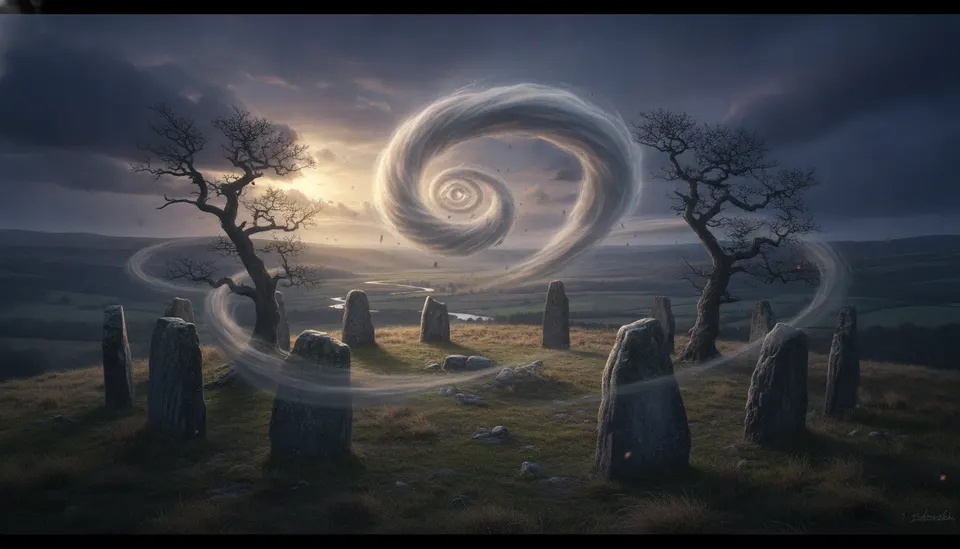
A striking example of this captivating approach can be found in Sarah Hall's novel, Helm. In this imaginative work, the 'Helm' is not merely a weather phenomenon but a ferocious, mischievous wind that has shaped the Eden Valley landscape since the dawn of time. Hall masterfully tells Helm's life story through the chronicles of those it has touched across different eras.
Readers witness how a Neolithic tribe attempts to placate this powerful wind, a Dark Age wizard priest seeks to banish it, and a Victorian steam engineer endeavours to capture its essence. A farmer's daughter even falls in love with it. Through these diverse human experiences, Helm emerges as a central, almost sentient force, a character whose very existence dictates the fate and folklore of the region. The novel delves into the long, intertwined history of the land and its people, all under the pervasive influence of this extraordinary elemental presence. It's a compelling read for those who appreciate fiction that pushes the boundaries of how nature can be portrayed.
Beyond the Human Perspective
The personification of natural forces invites readers to consider perspectives beyond the purely human. It can highlight the vastness and indifference of nature, its ancient wisdom, or its destructive power. These narratives often delve into themes of environmentalism, humanity's place in the ecosystem, and the enduring mysteries of the world. Such stories challenge us to look at our surroundings not just as resources or scenery, but as living, breathing entities with their own stories to tell and their own impact to exert.
Whether it's the relentless currents of a river, the shifting moods of the sea, or the unseen currents of the air, when authors personify these elements, they create a rich, immersive world where the line between the natural and the supernatural often blurs, offering a truly unique reading experience.